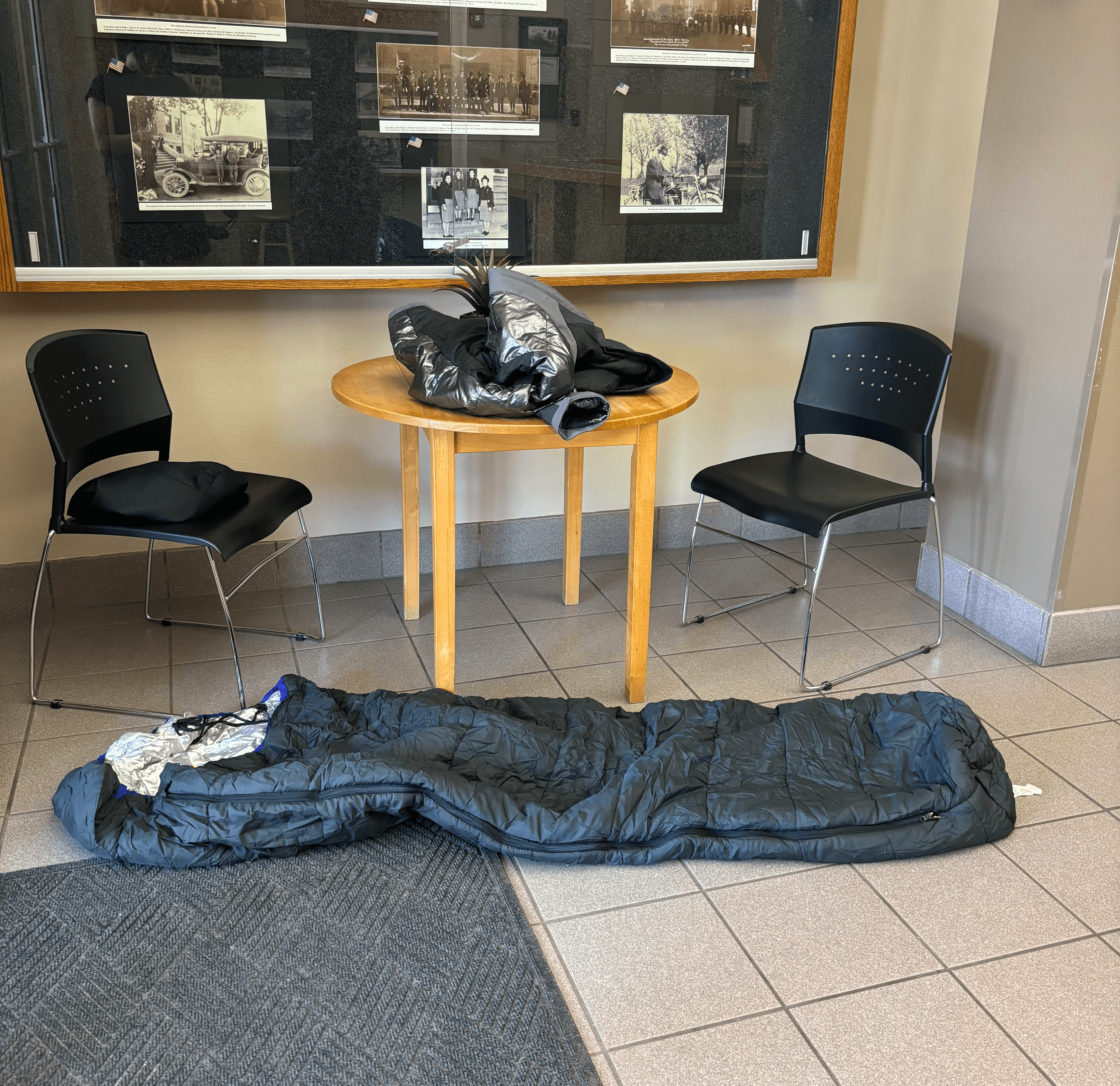
We rolled out sleeping bags on Pocatello PD's floor to truly understand their challenges. Here's how we transformed their report writing and bridged their i-Pro video systems.
Going to the Source
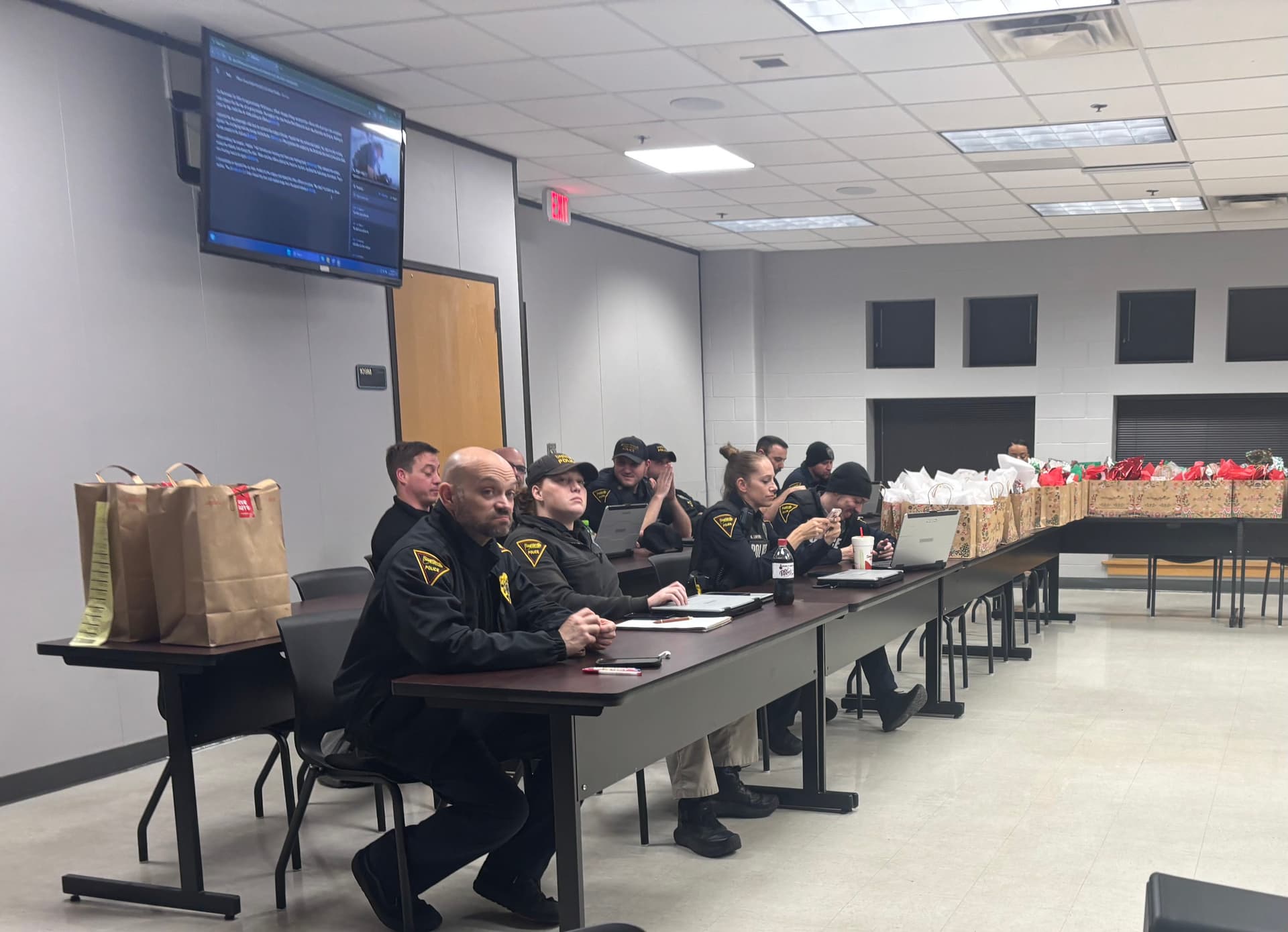
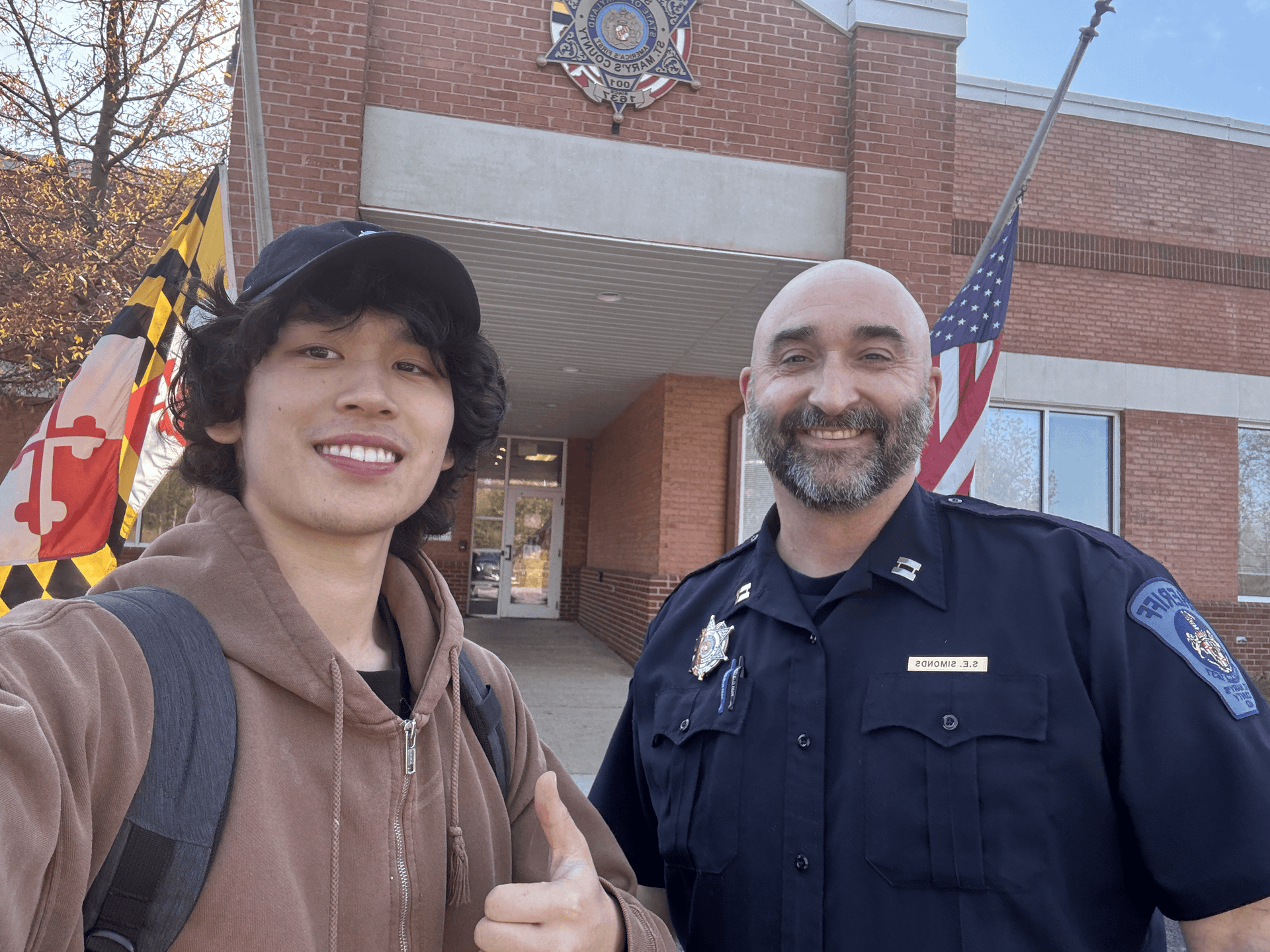
When Pocatello PD reached out about their report writing challenges, we knew we needed to understand their reality firsthand. So our team packed sleeping bags, drove to Idaho, and spent several days and nights embedded with the department.
We rode along on shifts, sat in on briefings, watched officers write reports at the end of long days, and talked to everyone from patrol officers to detectives to command staff. What we learned was eye-opening and fundamentally shaped our approach to building Code Four.
The Report Writing Reality
Officers were spending 2-3 hours writing reports for incidents that lasted minutes. Much of this time was spent rewatching body camera footage, scrubbing through video to find specific moments, and manually transcribing what was said and what happened.
The body camera system—i-Pro in Pocatello's case—captured everything perfectly. But extracting value from that footage was entirely manual and painfully time-consuming. Officers would finish a shift and then spend hours more writing reports before they could go home.
This wasn't just an efficiency problem. Tired officers make mistakes. Important details get missed or misremembered. And time spent writing reports is time not spent on patrol, follow-up investigations, or community engagement.
Building the Right Solution
Armed with deep understanding of the actual workflow, we built our solution specifically around Pocatello's needs. Our AI integrates directly with their i-Pro body camera system, automatically ingesting footage and analyzing it frame by frame.
The system identifies key events—when someone is stopped, what they say, actions taken, evidence collected, and more. It generates a comprehensive timeline with timestamps, making it easy for officers to reference specific moments. Most importantly, it produces a first draft of the incident report.
The draft isn't perfect—it needs officer review and often requires additions or corrections. But starting with an 80% complete report instead of a blank page transforms the process. Officers spend their time reviewing, refining, and adding context rather than transcribing and typing.
Integration Challenges
Making this work required deep integration with i-Pro's system. We worked closely with both i-Pro and Pocatello's IT team to build seamless connections that feel native to officers. They tag footage in their existing workflow, and our analysis happens automatically in the background.
This integration work was technically challenging but absolutely necessary. Technology only helps if it fits naturally into existing workflows. Making officers learn new systems or change established processes would have doomed our solution regardless of how good the underlying AI was.
Results
The impact has exceeded our initial expectations. Report writing time has dropped by an average of 75%. Officers are getting home to their families hours earlier. Report quality and comprehensiveness have actually improved because the AI catches details that might otherwise be missed.
Perhaps most telling: when we asked officers if they'd want to go back to the old way, the response was unanimous disbelief. One officer told us that using Code Four felt like "having a partner who never sleeps and remembers everything perfectly."
Lessons Learned
This experience taught us crucial lessons that now inform everything we build. First, you have to deeply understand the actual workflow, not what you think the workflow is. Second, integration with existing systems is non-negotiable—our technology has to fit into their world, not the other way around. Third, the measure of success is whether officers want to use it, not whether it's technically impressive.
Expanding the Model
The success in Pocatello has become our template. We now begin every new customer relationship with this embedded, observational approach. We learn the specific workflows, understand the unique challenges, and build implementations that fit each department's reality.
We're also using lessons from Pocatello to improve our product for everyone. Features requested by Pocatello officers have become standard capabilities that benefit all our customers. Their feedback continues to shape our roadmap.
Gratitude
We're deeply grateful to the Pocatello Police Department for their partnership, patience, and feedback. They took a chance on a young company with a new approach, and they've helped us build something that truly serves the law enforcement community.
The sleeping bags have been stored away, but the relationships and lessons from those nights in Pocatello continue to guide our work every day.